

Blog
The Importance of Site-Specific Risk Assessments for High-Rise Projects

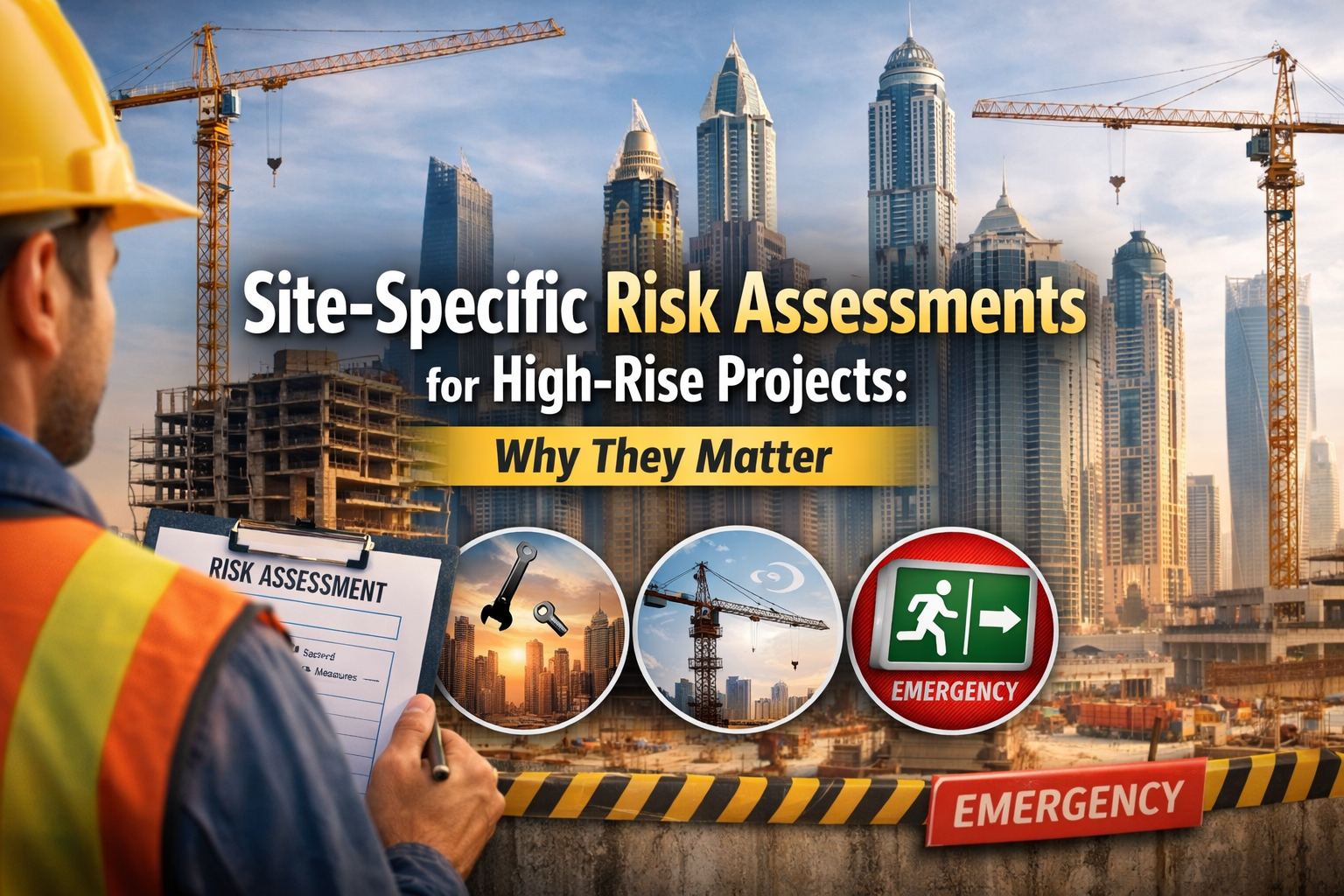
Building upwards in a place like Dubai brings a very specific set of dangers. You aren’t just dealing with standard construction; you are dealing with extreme heights, high winds, and complex logistics. Using generic safety templates simply does not work here. Site-specific risk assessments are the only way to catch hazards before they turn into accidents. At Ahlan Safety Training Centre, we emphasise that every high-rise project needs its own unique safety blueprint. Skipping the site-specific part is how major project delays and injuries start.
Why Generic Templates Fail in High-Rise Construction
A lot of managers try to copy-paste safety plans from previous jobs. This is a massive mistake. A high-rise in the Marina has different wind loads and crane requirements than a project in Business Bay. Site-specific risk assessments force you to look at the actual ground you are standing on. You have to evaluate the hazard identification for that specific footprint. If you don’t account for the unique crane swing or the specific neighbourhood traffic, your site safety plan is just paper. It won’t protect anyone.
Managing Falling Object Hazards at Extreme Heights
When you are sixty stories up, a dropped bolt is as dangerous as a falling beam. This is a core part of high-risk activity management. You need more than just hard hats. You need debris netting, toe boards, and strict Tool Tethering protocols. A site-specific approach looks at exactly where those objects could land. We teach supervisors that Ahlan Safety Training Centre certifications, like IOSH Managing Safely, are vital here. They give you the technical eye to spot these vertical risks before the shift even starts.
Vertical Logistics and Emergency Evacuation Plans
Evacuating a skyscraper is nothing like walking out of a warehouse. It takes time and coordination. Your site-specific risk assessments must include a detailed emergency response plan for every floor. How do you get an injured worker down from the 40th storey if the lift fails? You need specialised rescue teams and clear, unobstructed stairwells. According to the Dubai Municipality, having these specific protocols in place is a non-negotiable part of project approval. If your plan is not practised, it is not a plan—it is just a wish.
 Wind Loads and Crane Safety at Height
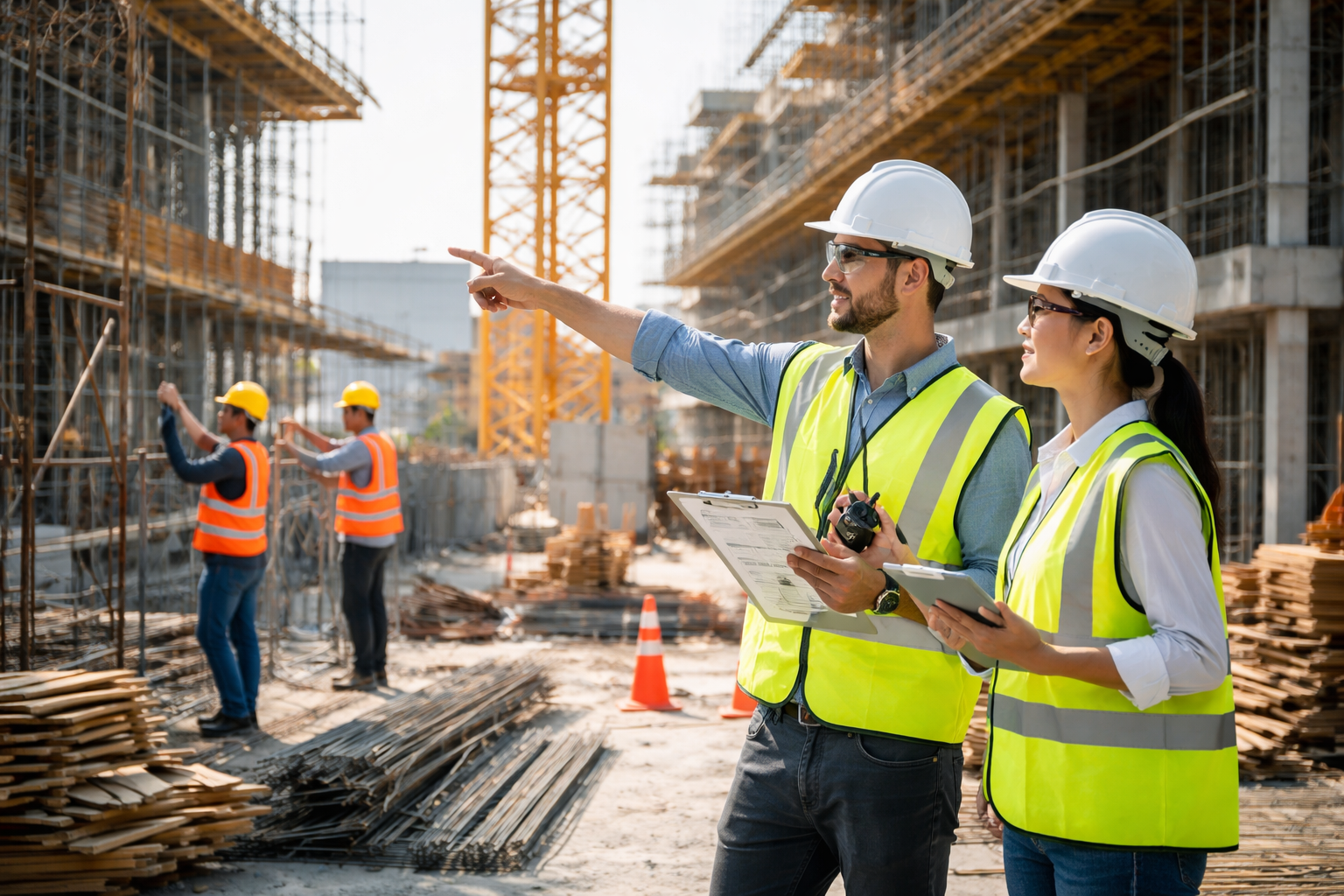
Wind is the silent enemy of high-rise projects. A breeze on the ground can be a gale-force wind at 300 meters. You need a weather monitoring system that is specific to your crane heights. Site-specific risk assessments define the exact cut-off wind speeds for your specific equipment. You cannot guess this. Using a method statement that is tailored to your site’s weather patterns prevents crane collapses and load swings. It keeps the site running smoothly without taking unnecessary gambles with the weather.
The Role of Competent Supervision
At the end of the day, a plan is only as good as the person enforcing it. We focus on ensuring that site leads have the right health and safety competency. Whether it is through an NVQ Level 6 or specialised high-rise training, the supervisor needs to know how to read a risk assessment and apply it to the moving parts of a live site. It is about having the authority to stop work if the site-specific conditions change.
Securing Your High-Rise Project Today
Building the skyline of the UAE is a massive achievement, but it has to be done safely. Site-specific risk assessments are the foundation of that safety. At Ahlan Safety Training Centre, we provide expert consultancy and training to make sure your high-rise project meets every local and international standard. Do not rely on generic plans for a unique project. Reach out to us today to build a safer site from the ground up.