

Blog
Ergonomics and Workplace Safety Training UAE

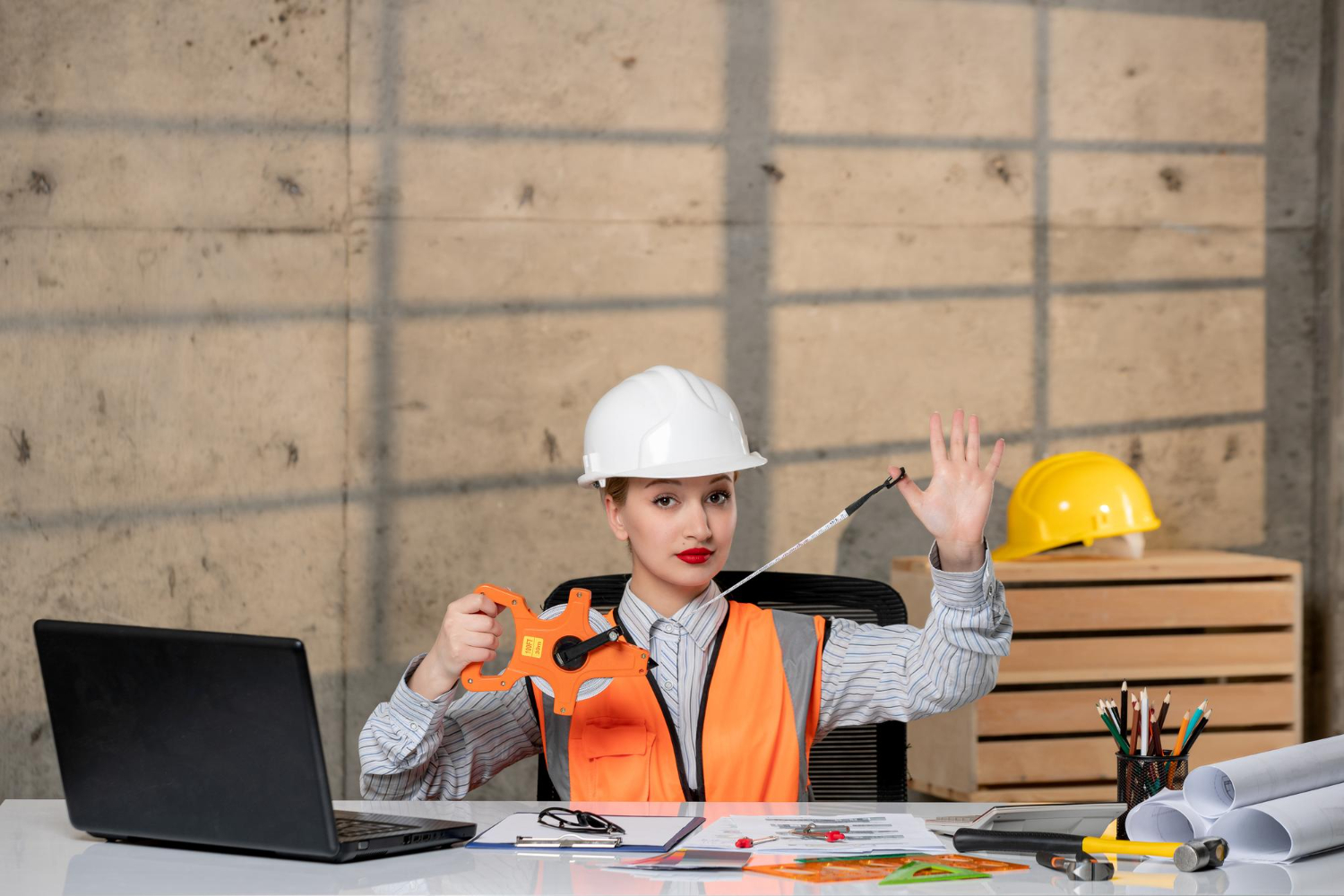
Safety programs often overlook the subtle risks of daily work. Ergonomics focuses on fitting the job to the person, not the reverse. Combining ergonomics with robust workplace safety training reduces strain and long-term injury. This dual approach is vital for companies in the GCC. Ahlan Safety helps firms implement comprehensive safety strategies.
Why Ergonomics and Workplace Safety Training Matter in UAE
Poorly designed tasks cause many muscle and skeletal injuries. This leads to costly sick days and low output. The UAE labour law requires employers to maintain safe work environments. Effective workplace safety training addresses both sudden and gradual risks. This commitment builds a strong Safety Culture.
What Ergonomics Training Covers
Ergonomic courses teach staff how to analyse their own setup. This includes performing simple ergonomic assessments. The training covers proper seating and tool use techniques. The goal is straightforward: MSD prevention. It stops musculoskeletal disorders before they start.
Common Ergonomic Risk Factors
You must look out for several key risk factors. Repetitive tasks are a common cause of injury over time. Incorrect lifting during manual handling is highly dangerous. Poor workstation setup leads to neck and back pain quickly. Training teaches staff how to recognise and report these risks.
Benefits of Ergonomics for Employees and Businesses
Proper ergonomics protects your workforce effectively. It leads to significant Injury Reduction over the years. Employees who are comfortable show a real Productivity Boost. This focus on employee well-being improves morale, too. It is a smart, preventive investment.
Key Workplace Safety Trainings Required in UAE
Beyond ergonomics, core safety training is mandatory. This general workplace safety training covers sudden emergency events. Essential courses include HSE Training UAE and First Aid UAE. Companies must also cover site-specific risks like fire or electricity. These programs ensure rapid and effective emergency response.
HSE (Health, Safety & Environment) Training Overview
HSE courses provide foundational knowledge for all staff. Training focuses on accurate hazard identification. It teaches basic methods for risk management on-site. Employees learn the correct selection and use of PPE. This is the starting point for a professional safety career.
 Electrical Safety Training UAE
Working with power presents serious and immediate risks. Electrical safety training covers procedures like LOTO (Lockout/Tagout). Staff must master electrical hazard recognition. This is crucial for successful shock prevention. This specialised knowledge saves lives in construction and industry.
Working at Height Safety Training
Working above ground is inherently dangerous for staff. Training teaches essential fall protection techniques. Staff learn how to perform a correct harness inspection. Simple ladder safety rules are often forgotten. This specific workplace safety training prevents catastrophic falls.
Fire Safety and Emergency Response Training
Every workplace must prepare for fire emergencies. Training covers site-specific evacuation procedures. Staff learn how to use fire extinguishers correctly. Identifying common fire hazards is a key component. Being prepared minimises panic and injury.
First Aid and CPR Courses for Workplace Readiness
Having trained first-aiders on site is essential for rapid response. Courses cover basic life support methods clearly. Staff learn effective CPR techniques. They also train on correct choking response protocols. Immediate help saves valuable time before professional help arrives.
How UAE Businesses Can Implement Effective Workplace Safety Training
Implementing safety training requires careful planning. Companies should use a mix of modules and practical drills. Safety drills test real-world readiness effectively. Using digital training modules helps track compliance. You must ensure you use accredited providers in UAE.
Choosing Certified and Accredited Safety Training Providers
You must verify the quality of your training partner. Look for providers who are ISO-Certified. They should have local approvals, like Dubai Municipality Approved status. Ahlan Safety maintains all necessary certifications. This ensures your workplace safety training is recognised and valid.