

Blog
How Safety Training Helps Reduce Workplace Injuries and Operational Risk Exposure

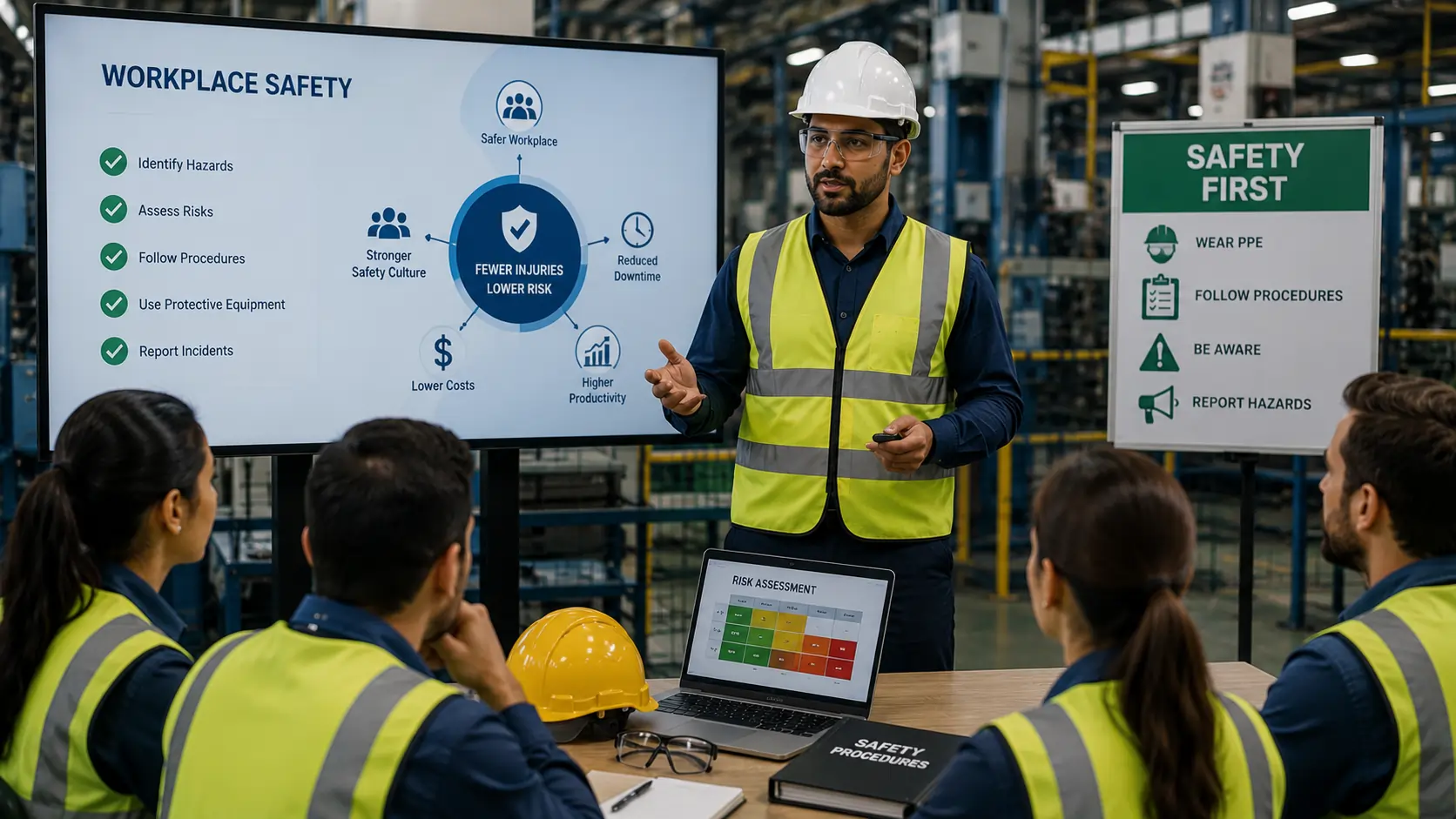
A workplace incident rarely happens without warning. In many cases, the signs are already there but go unnoticed. Employees who understand workplace hazards are often better prepared to prevent accidents before they occur. Ahlan Safety Training Centre provides industry-focused programs that help organizations strengthen safety awareness. Today, safety training remains one of the most effective ways to reduce workplace injuries and operational risk exposure.
How Does Safety Training Help Prevent Workplace Injuries?
Workplace injuries often result from unsafe actions, overlooked hazards, or a lack of awareness. Even experienced employees can face risks when proper safety practices are not followed consistently.
Safety training helps employees understand potential hazards and appropriate control measures. Workers learn how to identify risks and respond to unsafe conditions before incidents occur.
This practical knowledge supports safer workplace behavior. It also helps reduce situations that may lead to injuries, property damage, or operational disruptions.
Why Is Hazard Identification Important for Risk Reduction?
Hazard identification is a critical part of workplace safety management. Employees who recognize hazards early can take corrective action before conditions become dangerous.
A loose cable, damaged equipment, or blocked emergency route may appear minor. Yet these issues can create significant risks if ignored.
Training encourages employees to observe their surroundings. This awareness supports a proactive approach to workplace safety and risk prevention.
How Does Safety Awareness Improve Daily Work Practices?
Safety awareness influences decisions made throughout the workday. Employees who understand workplace risks are often more mindful of their actions.
Simple tasks such as lifting materials, operating equipment, or entering restricted areas require attention to safety procedures. Awareness helps workers perform these activities more responsibly.
As awareness improves, safe work practices become part of daily routines rather than occasional reminders.
Can Training Help Reduce Operational Risk Exposure?
Operational risks can affect productivity, equipment performance, and employee well-being. Managing these risks requires both systems and knowledgeable employees.
Training helps workers understand how their actions influence operational safety. They learn the importance of following procedures and reporting concerns promptly.
When employees recognize operational risks early, organizations can address issues before they affect business continuity.
Why Is Risk Assessment Knowledge Valuable in the Workplace?
Risk assessment helps organizations evaluate workplace activities and identify potential consequences. Employees who understand this process contribute to safer operations.
Training introduces workers to the basics of evaluating hazards and determining appropriate control measures. This practical understanding supports informed decision-making.
Risk assessment knowledge also encourages employees to think carefully before starting unfamiliar or high-risk tasks.
 How Does Safety Training Support Compliance Requirements?
Organizations must maintain safe working environments through established policies and procedures. Compliance depends on employee participation and understanding.
Training helps workers understand workplace safety responsibilities and the reasons behind safety requirements. This often improves adherence to company procedures.
Employees who understand expectations clearly are generally more likely to follow workplace standards consistently.
What Practical Skills Do Employees Gain Through Training?
Effective training focuses on skills that can be applied immediately in workplace settings. These skills support both personal safety and operational performance.
Common workplace safety skills include:
- Hazard identification
- Risk assessment awareness
- Incident reporting
- Emergency response understanding
- Safe equipment use
- Personal protective equipment awareness
- Workplace communication
These practical abilities help employees contribute to safer and more efficient operations.
Why Do Supervisors and Managers Need Safety Knowledge?
Supervisors play an important role in workplace safety performance. Their decisions influence employee behavior and operational practices.
Training helps managers understand risk management principles, incident prevention strategies, and workplace safety responsibilities.
This knowledge supports better leadership and stronger communication. Employees often follow safety expectations more effectively when leadership demonstrates commitment.
How Does Training Strengthen Workplace Safety Culture?
Safety culture develops through consistent actions, shared responsibilities, and ongoing learning. Employees contribute more effectively when they understand workplace expectations.
Training encourages open communication regarding hazards and safety concerns. Workers become more comfortable reporting issues before incidents occur.
Over time, safety becomes part of everyday operations. This shared commitment helps strengthen workplace safety culture across all departments.
Why Is Continuous Learning Important for Workplace Safety?
Workplaces change regularly. New equipment, updated procedures, and evolving responsibilities may introduce different safety challenges.
Continuous learning helps employees stay informed about workplace risks and current safety practices. Refresher training reinforces existing knowledge and supports long-term awareness.
Organizations that invest in ongoing learning often maintain stronger safety performance over time.
Why Should Organizations Invest in Workplace Safety Education?
Reducing workplace injuries requires more than written policies and procedures. Employees need practical knowledge that helps them identify hazards, manage risks, and make informed decisions. Safety training supports these goals by improving awareness and encouraging safer work practices. Through industry-relevant programs, Ahlan Safety Training Centre helps organizations strengthen workplace safety performance and reduce operational risk exposure across the UAE.