

Blog
Common Workplace Hazards Addressed Through Professional Health and Safety Courses

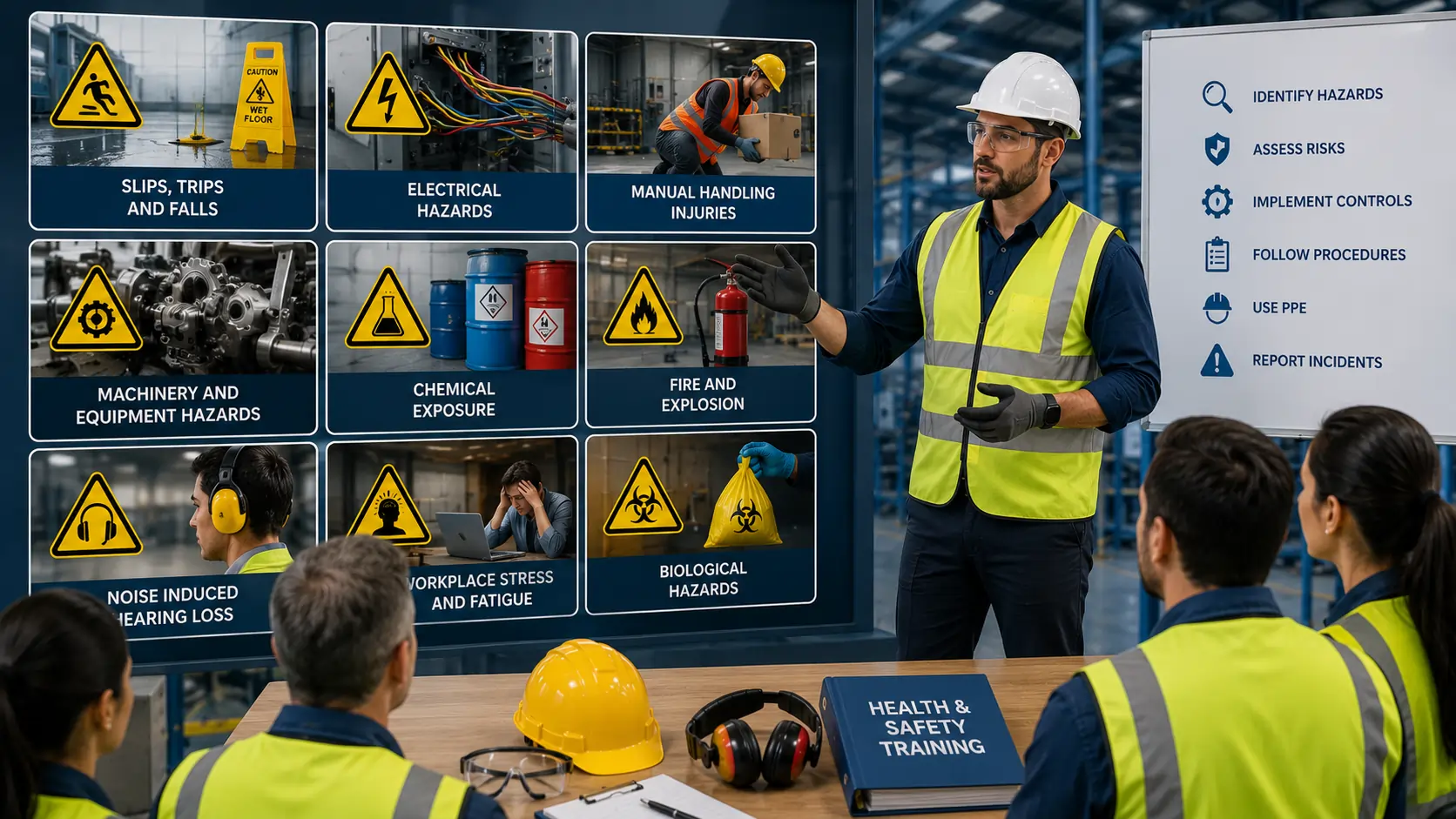
Many workplace incidents begin with hazards that seem small at first. A blocked walkway, an exposed cable, or incorrect equipment handling can quickly create serious risks. Ahlan Safety Training Centre helps organizations improve hazard awareness through practical learning programs. Professional health and safety courses provide employees with the knowledge needed to recognize workplace dangers and respond appropriately.
How Do Health and Safety Courses Help Identify Workplace Hazards?
Hazard identification is one of the most important parts of workplace safety. Employees who can recognize risks early are better prepared to prevent accidents and operational disruptions.
Professional health and safety courses teach workers how to identify unsafe conditions, evaluate workplace risks, and follow safe work practices. This knowledge helps employees become more aware of their surroundings.
When people understand common hazards, they are more likely to take corrective action before incidents occur.
Why Are Slips, Trips, and Falls Common Workplace Risks?
Slips, trips, and falls remain among the most frequent workplace incidents across different industries. Wet floors, uneven surfaces, and obstructed walkways often contribute to these accidents.
Employees learn how to recognize these hazards and maintain safer work environments. Small improvements in housekeeping practices can significantly reduce risk exposure.
Training also emphasizes the importance of reporting hazards before they cause injuries.
How Can Manual Handling Hazards Lead to Workplace Injuries?
Lifting, carrying, pushing, and pulling tasks can place significant strain on the body. Improper techniques often contribute to musculoskeletal injuries and long-term physical discomfort.
Safety training helps employees understand proper lifting methods and ergonomic practices. Workers learn how to assess loads before attempting manual handling tasks.
This awareness supports safer movement and reduces unnecessary physical strain during daily operations.
Why Is Equipment Safety Important in Hazard Prevention?
Many workplaces depend on machinery, tools, and specialized equipment. Improper use can create serious safety concerns for both operators and nearby workers.
Training helps employees understand equipment-related hazards and operational safety procedures. They learn why inspections and proper usage practices are important.
Consistent attention to equipment safety helps reduce the likelihood of workplace incidents.
How Do Electrical Hazards Affect Workplace Safety?
Electrical hazards can exist in offices, industrial facilities, warehouses, and construction environments. Damaged wiring, overloaded circuits, and improper maintenance may create dangerous conditions.
Employees learn how to recognize warning signs associated with electrical risks. Training also reinforces the importance of following workplace procedures.
Awareness plays a critical role in preventing electrical incidents and maintaining safer work environments.
 Why Should Employees Understand Chemical Safety Risks?
Many industries use chemicals during routine operations. Without proper controls, exposure may create health and safety concerns.
Professional training introduces employees to chemical hazard awareness, labeling systems, and safe handling procedures. Workers learn how to reduce exposure risks during daily activities.
This knowledge supports safer workplaces and helps maintain compliance with established safety standards.
How Can Fire Hazards Be Reduced Through Training?
Fire hazards may develop from faulty equipment, improper storage, or unsafe work practices. Even a minor oversight can increase workplace risk.
Training helps employees recognize potential fire hazards and understand emergency response procedures. They learn how prevention measures support overall workplace safety.
Early awareness often helps organizations address concerns before incidents occur.
Why Is Personal Protective Equipment Awareness Important?
Personal protective equipment plays an important role in workplace safety. However, protective equipment is only effective when used correctly.
Employees learn how different types of PPE support specific workplace activities. They also understand the importance of inspection, maintenance, and proper usage.
This knowledge helps workers make informed decisions regarding personal protection and workplace safety.
How Do Health and Safety Courses Support Risk Assessment?
Risk assessment helps organizations evaluate workplace hazards and determine appropriate control measures. Employees who understand this process contribute to safer operations.
Training introduces workers to the fundamentals of hazard evaluation and risk management. They learn how workplace risks can be identified and controlled.
This practical understanding supports informed decision-making across different work environments.
Why Does Hazard Awareness Strengthen Workplace Safety Culture?
Safety culture develops when employees actively participate in maintaining safe work environments. Awareness and communication are important parts of that process.
Workers who understand workplace hazards are often more comfortable reporting concerns and discussing safety issues. This encourages continuous improvement.
Over time, organizations benefit from stronger engagement and a greater commitment to workplace safety.
Why Should Organizations Invest in Hazard Awareness Training?
Preventing workplace incidents starts with understanding the risks that employees face every day. Professional health and safety courses help workers identify hazards, follow safe work practices, and contribute to safer operations. Through industry-relevant training programs, Ahlan Safety Training Centre supports organizations in improving workplace safety awareness and reducing risk exposure across the UAE.